
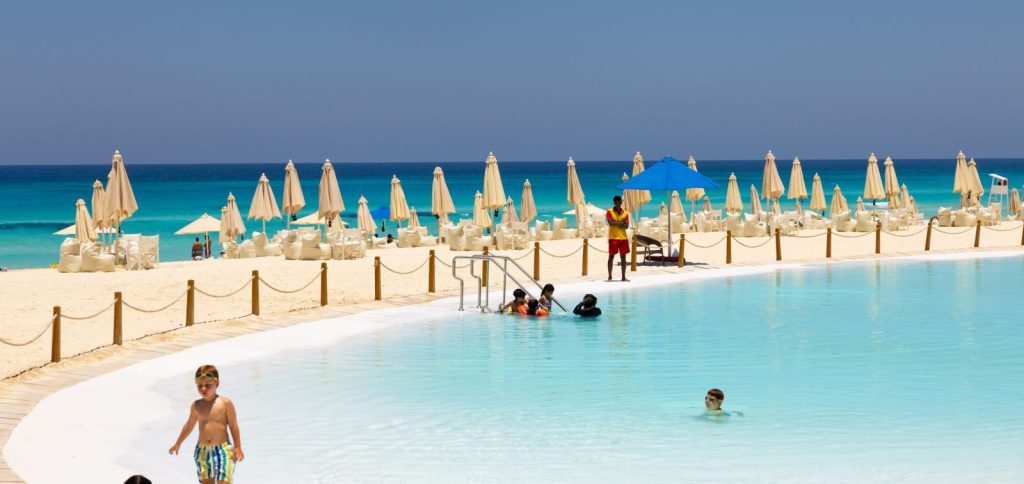


On the northern coast of Egypt, between the desert sands and the blue waters of the Mediterranean Sea, lies Marassi – a luxury resort that takes your breath away at first glance. But behind the glamour of the world’s most beautiful beaches and hotels, there’s a story that goes beyond tourism.
This project by the company Eagle Hills, launched in 2007, is still under development. It is scheduled to be completed by 2030. The figures behind it are staggering – it spans 6.5 million square meters, of which 4.1 million are open spaces. It has a marina with 267 berths. More than four million guests visited Marassi just last year.
“The way we work includes even the smallest details – from choosing flower colors, to how we manage the buildings, all the way to how a bottle of olive oil is placed on a restaurant table. Those details complete the whole. We’re not here just to sell real estate,” says Mustafa El Kadi, development director at Emaar and Eagle Hills.
Marassi is not just a destination for wealthy guests. It is a project that has reshaped an entire region – not only in terms of construction, but socially as well.
“We study the needs of the surrounding community. For example, near Marassi lies the village of Sidi Abdel Rahman, and most of the local population works with us – in horticulture, construction, or contracting jobs. It may be rare, but around 20,000 people are now collaborating with us. We’ve opened more than 500 new businesses – all of which bring value back to the local community,” El Kadi notes.

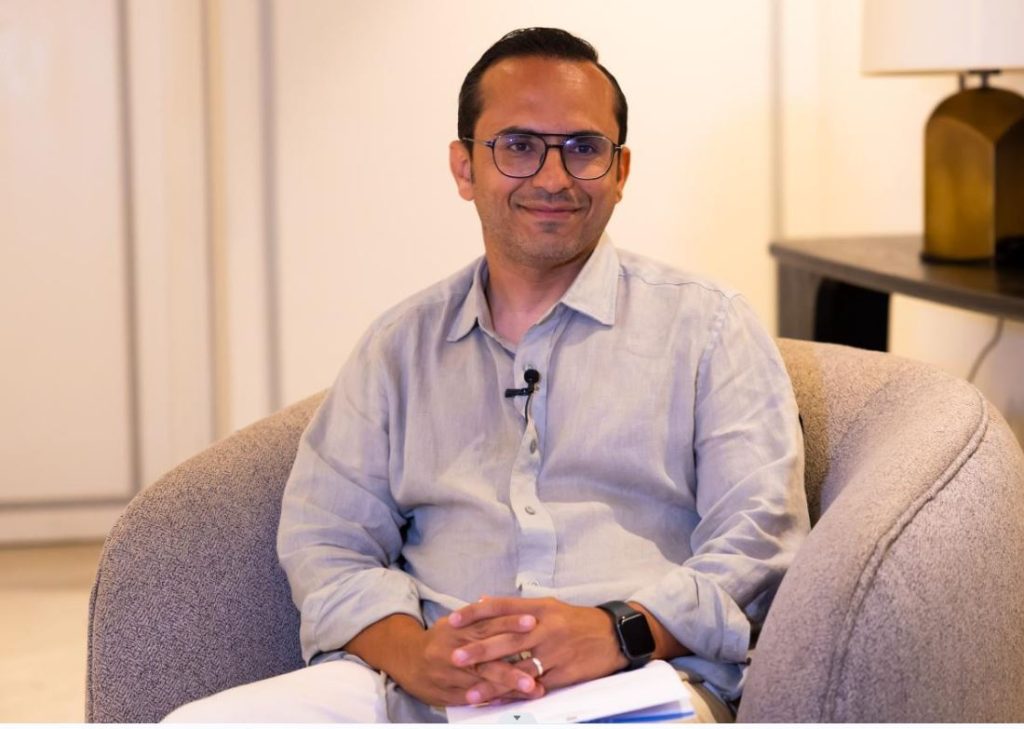
Every detail is cared for in Marassi – from the color of flowers in the gardens to the way a plate is placed in the restaurant. Behind every scene lies a philosophy: to learn daily and to create with heart.
“In Marassi, the average room price has tripled in the last five years. The state collected taxes from that growth. From one hotel, we now have ten. We’ve created many jobs – both for construction workers and various suppliers. New jobs are created daily, mostly for people from Sidi Abdel Rahman. From Marassi alone, we’ve paid 600 million Egyptian pounds in taxes,” explains El Kadi.
In the nearby village of Sidi Abdel Rahman, lives have changed dramatically. Thousands of people now work thanks to the Marassi project, and local shops have tripled their income.

“In the last seven years, we’ve signed 1,600 contracts, all with significant investments and taxes. Alamein Airport, which previously had no regular flights, now has daily connections to Dubai, Saudi Arabia, and other countries. Passenger numbers increased by 50% in just two years. When you create a large project that’s not just residential – but includes hospitality, sports, wellness, business, a water park, lagoon, beaches – all of it together makes a huge impact,” El Kadi emphasizes.
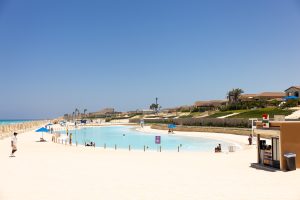
From impeccably landscaped parks, clean streets, high-quality hotel services, golf courses, to beaches with dazzling white sand and crystal-clear water – Marassi has become a globally recognized destination. The beaches, hotel complexes, and the entire tourist offer are tailored even to the most demanding guests. But the local community has not been neglected – three schools were built, along with community and sports centers. Women were given opportunities for employment in agriculture and small businesses. For every house sold – one is built for those in need.
“We believe that when everything is done together, it leads to success. You can’t work in fragments – and Mr. Alabar always reminds us of that: that if every day you do everything together, thinking equally about the flower, the building, the people outside, their children going to school – if that whole life cycle is closed through cooperation, success is inevitable. And that is what separates professionals who do their job right from amateurs. Amateurs, you know, win once – but can’t continue,” says El Kadi.
According to Eagle Hills, this model is used in every country where they operate. Sustainable development has proven to be a successful formula, and this business philosophy continues to evolve.
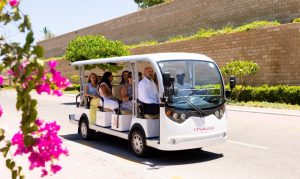
“This has a significant direct impact – even on other investors, when they see someone like Mr. Mohamed Alabar, who operates in 30 countries, now also in Europe, Serbia, Latvia, and Albania. Others will follow, and that’s what happened in Egypt. When a UAE-based company and Mr. Alabar arrived – others came too. I’m confident this model will also have a great impact on Montenegro,” says El Kadi.
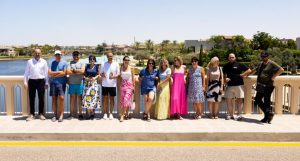
Marassi proves that luxury and social responsibility are not mutually exclusive. When something is built with respect for people and the community – everyone benefits. Based on the results of tourism investments in Egypt, Eagle Hills’ investments go far beyond the term “project” – they represent a socio-economic movement that, in addition to revenue, generates broad social growth.