

Instead of Montenegro becoming a serious destination for German tourists and investors—who have shown consistent interest over the years—this potential remains untapped. The reason still lies in the bureaucracy that businessmen face when establishing companies, while poor air connectivity and high costs have made the country uncompetitive for guests from that market.
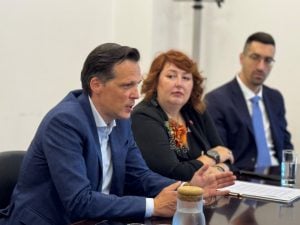
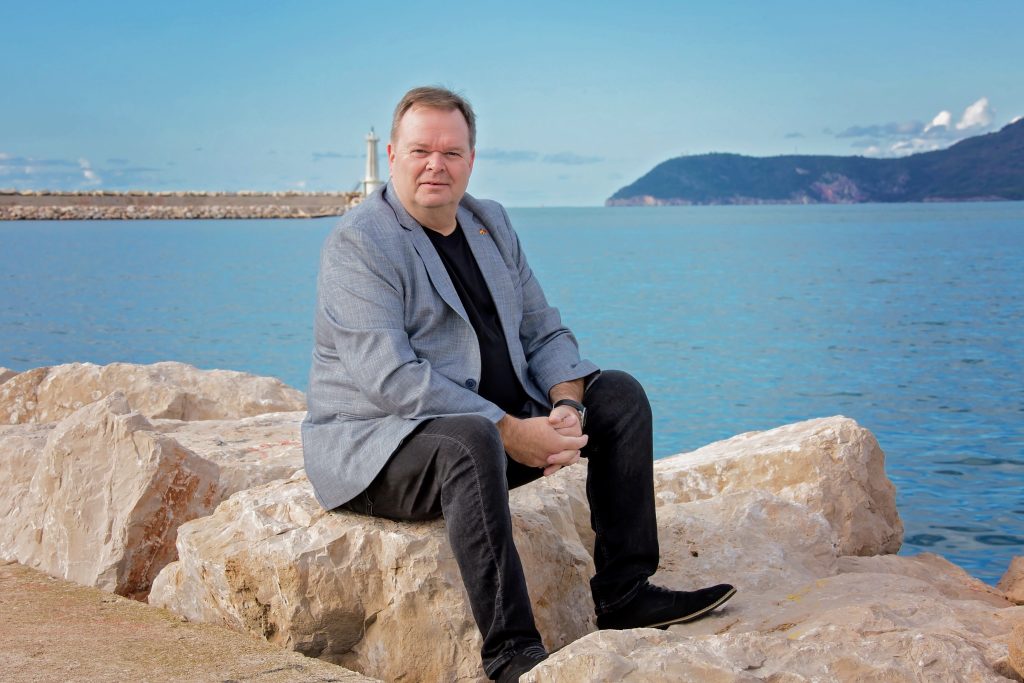
In an interview with Bankar, the Chairman of the Tourism Board of the German-Montenegrin Business Club, Michel Bader, speaks openly about how administrative barriers and the lack of a clear tourism strategy have distanced Montenegro from the influx of German capital and tourists.
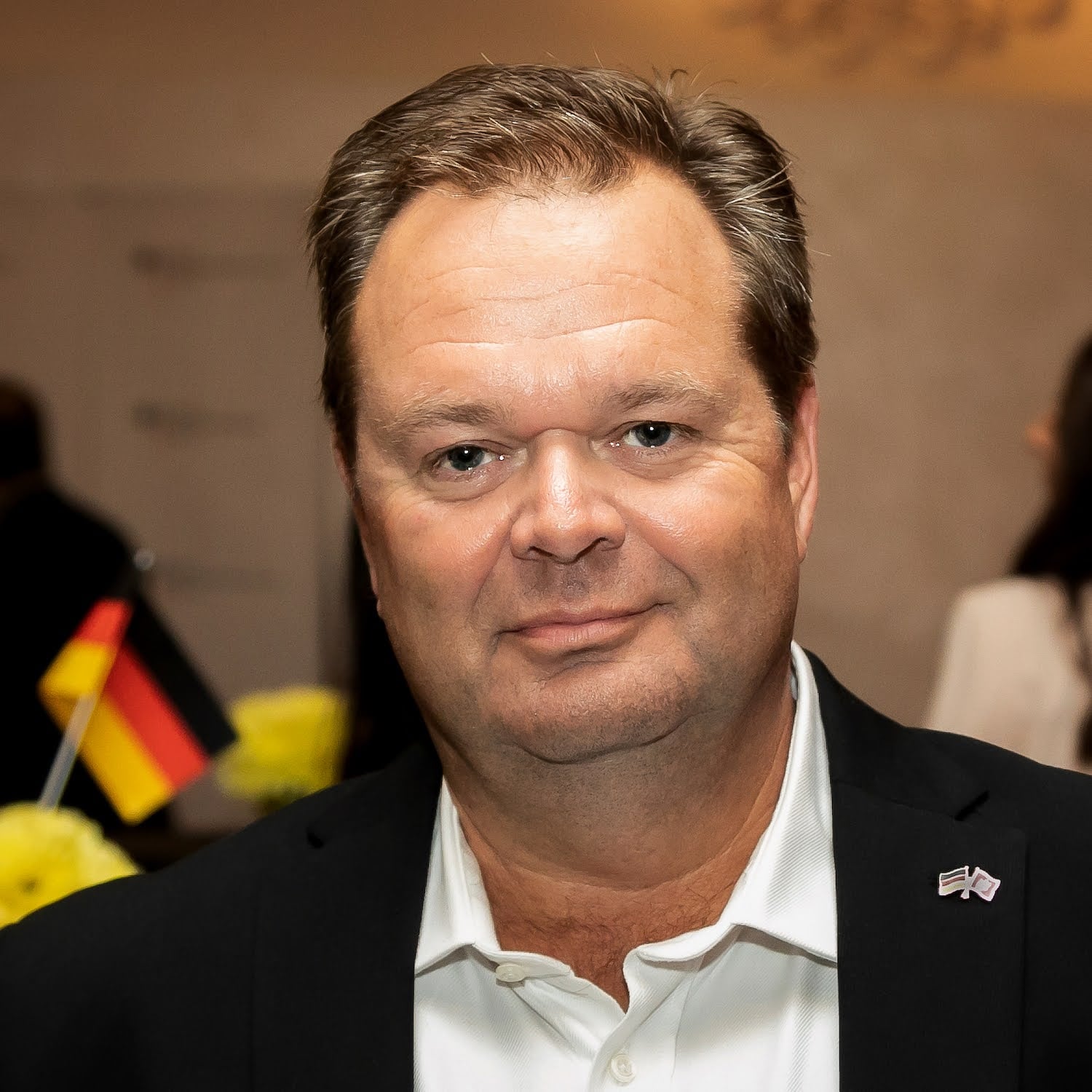
Germany, still one of the largest outbound tourism markets, remains out of reach for Montenegro. This is evident in the drop in the number of tourists from that country, caused by poor marketing strategy and the high cost of staying, Bader claims.
“Statistics so far show that we have fewer tourists than last year. I must point out that I see the biggest drop when it comes to tourists from Germany. These are periodic figures, of course—we’ll get a clearer picture at the end of the season. Even German media are writing about it—empty beds, empty sunbeds, a bad season. The price-to-quality ratio no longer favors Montenegro. Everything has become more expensive, while the service has remained at the same level—or worse. If someone has to pay four euros for a can of soda, it’s only logical they’ll go somewhere where they’ll get better service for the same price,” says Bader.
German media have also published articles highlighting the destination’s shortcomings—such as intercity travel often taking up to four hours. According to Bader, this, along with the lack of a clear strategy towards the German market, leaves a bad impression.


The same applies to investments. Every year, between 50 and 100 entrepreneurs from various sectors express interest in investing or working in Montenegro, but only a small number of them end up taking concrete steps. Those who do attempt to start a business face a test of endurance and persistence, Bader emphasizes.
“Every year, between 50 and 100 people reach out. Of course, not all of them start a business—many are just looking for information and only then consider the next steps. But Montenegro is still an unknown destination in Germany, not only for tourists but for investors as well. The problem is that there is no good marketing, no strategy. We do have interest from German investors, but it remains very limited because the system does not support serious business activity,” says Bader.
He hopes that aligning with EU standards will change the situation in Montenegro’s favor, as the country should primarily be open to capital and tourists from the EU.
“The greatest interest is in the field of consulting services—people who want to work here, like digital nomads. We have no major construction investors, maybe a bit in tourism, and that’s about it. We also don’t have manufacturers. We’re not in the EU yet, but we’re on that path. So, it’s only logical to focus on investors and tourists from the EU. Why? Well, if something goes wrong somewhere in the world—say, in Israel—flights get canceled overnight. We have a lot of guests from Israel, but as soon as the war started, everything stopped. That’s risky. Focusing on EU markets is a smarter strategy. The risk of sudden crises is much lower,” Bader stresses.

According to him, the biggest obstacle to German investment inflow is the discouraging administrative procedures.
“The bureaucracy is overwhelming. From opening a company to obtaining residence, everything is too complicated and impractical. And the new foreigner law, if passed in its current form, will not improve the situation—if anything, it might make it even more complicated,” he says.
According to the proposed new law, he explains, the director of a company with majority foreign ownership can extend their residence only if the company has at least three employees, one of whom must be a Montenegrin citizen.
“For small companies, especially in the IT sector or among consultants, this means the door is closed,” warns Bader.
Bader emphasizes that Montenegro, as a small country, could heavily rely on German tourists and benefit significantly from them in terms of budget contribution. He also says it’s time to stop sending the wrong messages.
“We say we’re an ecological state or a hidden gem. We’re neither. Guests who come with those expectations will be disappointed. We must offer what we truly have—and we have a lot,” Bader believes.
In conclusion, he stresses that the key lies in clear planning and realistic positioning of Montenegro as a destination:
“If we want German guests and investors, we need to create a plan—a marketing, tourism, and economic plan. And we need to stop making it difficult for them to come,” Bader concludes.