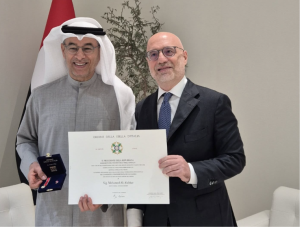

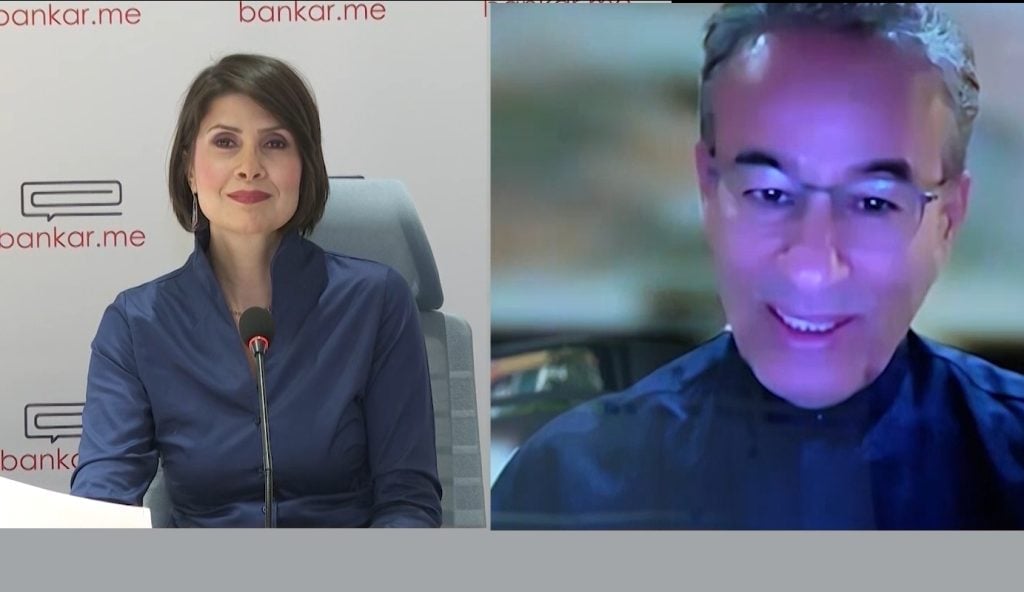


Mohamed Alabbar, one of the most prominent investors of our time, believes Montenegro is a safe place for business and that it has “all the key fundamentals for a strong investment,” as Eco Village Šas moves into its next phase of development. In an interview with Bankar, he states that the project design has been finalized and preparations for execution are underway.
Amid geopolitical instability, he adds, company resilience is being tested. His companies will distribute $2.4 billion in dividends this year, which, as he notes, is the result of decades of thoughtful strategy and disciplined execution (for comparison, Montenegro’s projected budget for this year amounts to €3.78 billion).
Resilience during times of crisis, Mohamed Alabbar emphasizes, is based on strong planning and financial discipline — a message he also conveys to local business leaders.
Bankar: Your companies generate billions in profit and pay out very large dividends. How do you maintain such results despite the current global crisis and conflicts?
Mohamed Alabbar: You know, when you have been in business for nearly 30 years, you truly see a lot in life. You see good days, bad days, good business, and bad business. That is why I believe it is our responsibility to build companies that can survive.
We are not in business just to make profits for a few years and then fall into trouble at the first sign of difficulty. We must build companies that are strong, profitable, but also resilient when problems arise. Otherwise, it is not a real company.
For example, just a few days ago, while a war is ongoing, we announced that we would distribute $2.4 billion in profits to our shareholders. Why? Because that profit is the result of many years of planning, hard work, and ensuring that the company does not take on excessive debt, while making long-term plans.
When you have a long-term plan, there will be years with difficulties, but you must plan knowing that life is full of challenges. The question is whether you are prepared to remain a stable company even in difficult times.
Personally, Mohamed Alabbar faced challenges in 1997 during the Asian financial crisis while living in Singapore, then again during the 2006–2007 financial crisis, the September 11 crisis, and the COVID crisis. He truly believes that from all these experiences, we must learn how to build very strong companies.
Bankar: Is that business strength solely the result of your long-term strategy, or also of your country’s system?
Mohamed Alabbar: My country believes in free enterprise and pure capitalism, meaning you must manage your own business. I run a private company, I do not overborrow, we operate with low costs, plan long-term, and hire the best people.
But more importantly, we sell the best product. We are obsessed with honest work, quality work, and excellent products. Everything is done with a long-term perspective.
This is truly the strength of my team, my management, and our planning. At the same time, we are very aggressive — we undertake large projects. But when you do big projects, you must be careful and know what you are doing.


Ultimately, if you do not know how to run a business, it is not the government’s job to help you. You must stand on your own feet. This is entirely the strength of my people and our company.
Large companies show their true strength in crises
Bankar: How do you balance such large investor payouts with investments in new projects, such as those in the Balkans?
Mohamed Alabbar: It all comes down to cash planning — how much profit I generate each year over 28 years, how much I distribute to shareholders, and how much I retain as reserves for growth. This must be managed every day.
For example, about five months ago, everything was going perfectly, and we reviewed operations in detail. We started spending more on construction quality while reducing office costs. Sometimes we may have too many employees. So we spend money where it matters, but we do not waste it.
At the same time, you must maintain reserves. There is no guarantee I will always be healthy or that the economy will remain stable. That is why you avoid excessive debt and maintain strong cash reserves.
But those reserves must be realistic — if you can afford three projects, then you do three, not seven. Everything comes down to disciplined planning that must be monitored daily.
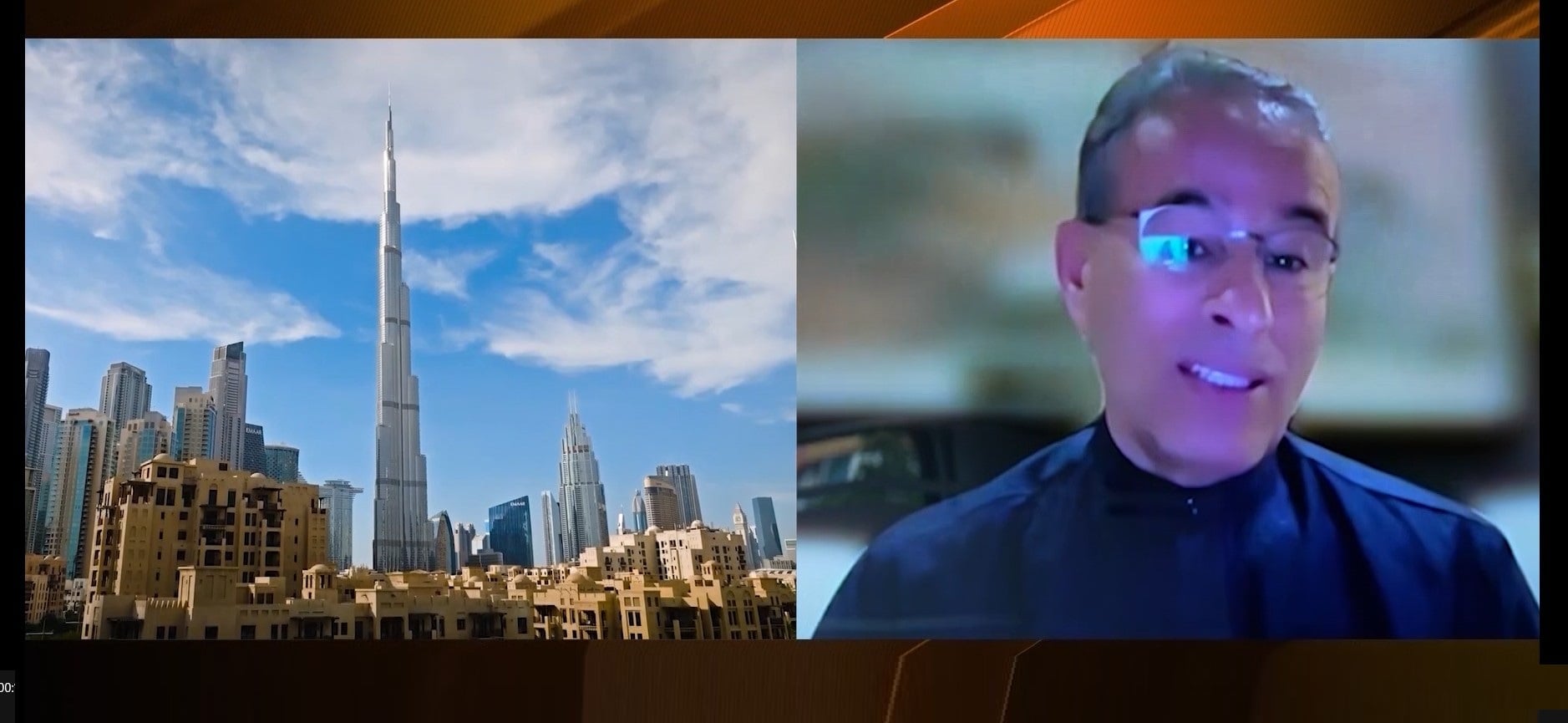
Eco Village Šas: Project completed, construction preparation underway
Bankar: You have already started a project in Montenegro at Lake Šas. When can we expect construction to begin?
Mohamed Alabbar: We have just completed the project design. It is truly beautiful — our architects and team have done an excellent job.
I cannot give an exact date, but typically about a year passes between design completion and construction, assuming there are no issues with permits. Our partner, Mr. Cungu, is doing an excellent job supporting us on the ground. However, I hope we can begin even sooner.
Montenegro has all the foundations for a major Investment
Bankar: How do you currently see Montenegro — as a safe or a risky but promising market?
Mohamed Alabbar: I believe Montenegro is definitely a very safe place for investment. It is also a promising market. What I see is a beautiful country that needs more infrastructure — ports, improved airports, and highways.
I know the government is working on connecting the country through highway construction. Beyond that, Montenegro has all the foundations for a great investment. That is why I am still here and why I intend to make a serious, large investment.
Bankar: So you have no issues with the business environment?
Mohamed Alabbar: No. But I operate in nearly 20 countries — everywhere you go, there are some bureaucratic challenges. That is normal. You cannot complain; you must work harder.
The way people in Montenegro treat me with respect has made me truly appreciate this place, and I genuinely want to do something good here.
Profit matters, but we must contribute to society
Bankar: What is the role of major investors in times of conflict? Do companies have a responsibility beyond profit?
Mohamed Alabbar: Yes. For example, in Dubai, we announced that we would not cut salaries or lay off employees during this period. We must protect our community.
This is the time when large companies must act like large companies — not just profit-driven entities. Even if we are not making money, we must take care of our people and customers.
I strongly believe that large companies must act as responsible citizens — not only generating profit, but contributing to society. Profit is important, but we must participate in community life.
We must create economic activity, support entrepreneurship, provide scholarships, care for social housing, plant trees, and bring tourism.
For example, in Egypt, Mohamed Alabbar has 12,000 business partners — they also earn, not just him. Everyone must benefit.
The world is no longer stable
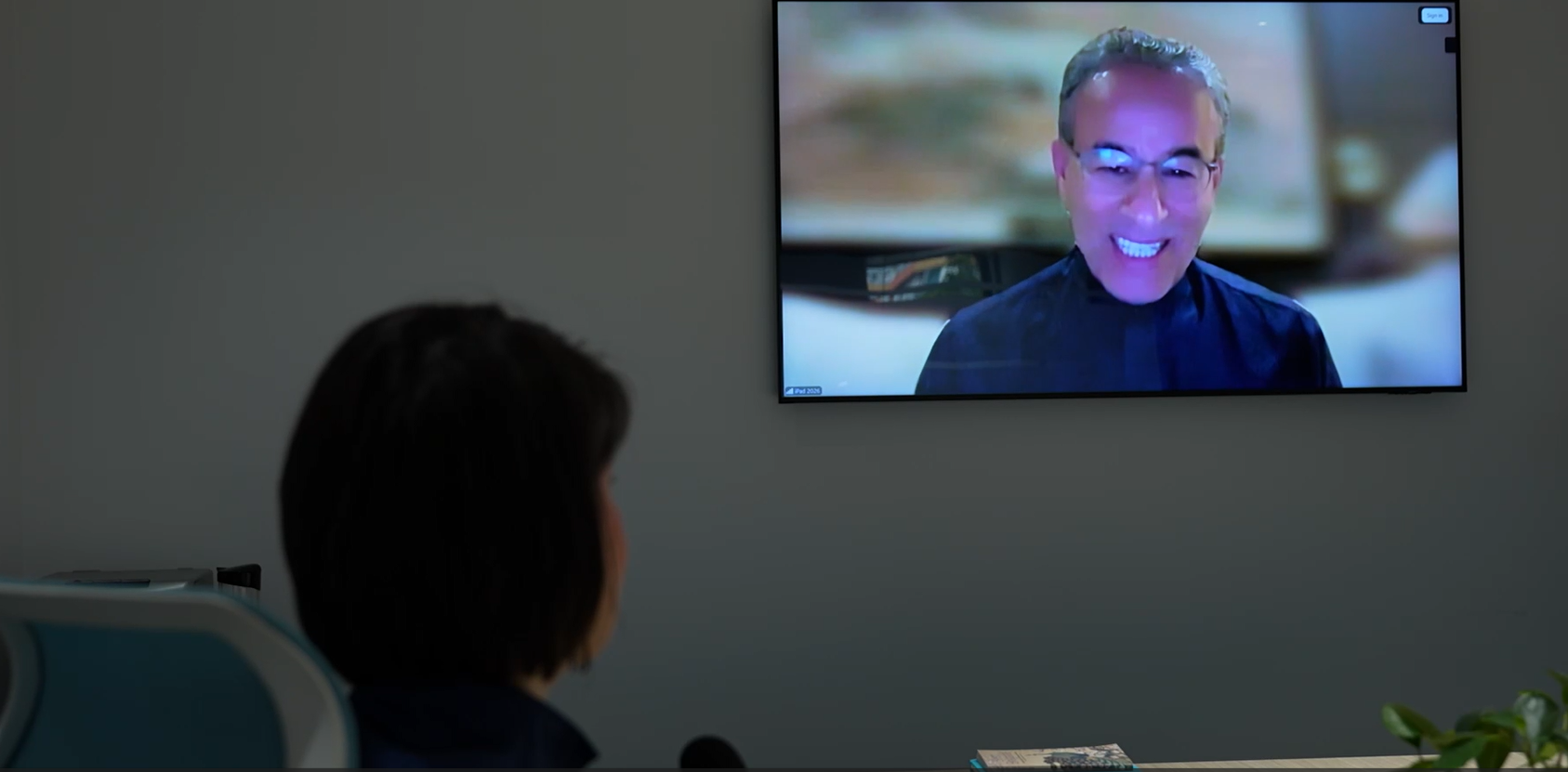
Bankar: Do you think the world will learn something from this difficult period?
Mohamed Alabbar: We must accept that we live in an unstable world. One day it is war, another day a pandemic, then another conflict
The key lesson is that ordinary people suffer the most. Wealthy people are fine, but ordinary people everywhere suffer. I hope this brings us closer together.
We must unite, support each other, and build strong companies. Because, as I say, “a dark night will come.” And when it does, you must be ready to take care of your people.
Advice to Montenegrin businesspeople: Avoid excessive debt
Bankar: Do you have a message for businesspeople in Montenegro?
Mohamed Alabbar: We are all similar — young economies that want to grow quickly, become rich quickly, and gain recognition quickly. But that is not reality.
Success takes time, dedication, hard work, and honesty. You must build a quality product — even if you are just selling coffee.
You must think long-term and prove yourself over time. And please — do not overborrow. Most businesses fail because of excessive debt. Work hard. Believe in what you do. Focus on quality. Surround yourself with great people. Be ambitious. Put in extra effort. And be prepared — when problems come, you must know how to respond.